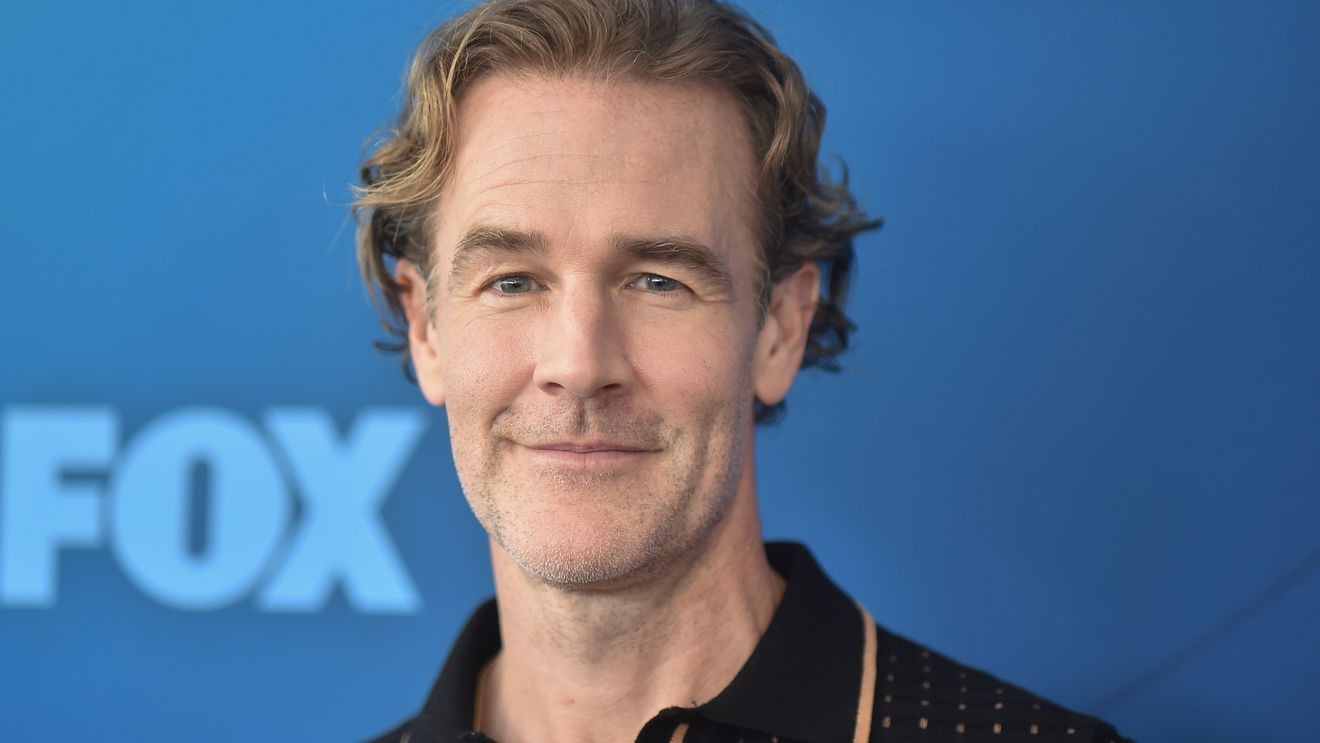
Colorectal Cancer: Understanding the Disease That Claimed James Van Der Beek
The entertainment world recently mourned the loss of a beloved figure, James Van Der Beek, best known for his iconic role as Dawson Leery in the hit 90s series "Dawson's Creek." His passing on February 11 at the age of 48, following a prolonged and courageous battle with colorectal cancer, sent shockwaves through fans and the public alike. The news of
James Vanderbeek dead at such a relatively young age has not only highlighted the fragility of life but has also brought critical attention to a disease that is alarmingly on the rise among younger adults: colorectal cancer. This tragic event serves as a stark reminder of the importance of understanding this disease, its symptoms, and the crucial role of early detection.
The Tragic Loss of James Van Der Beek and His Brave Fight
James Van Der Beek's death leaves behind a loving family: his wife Kimberly Van Der Beek and their six children, ranging from 4 to 15 years old. His family shared the heartbreaking news via Instagram, stating, "Our beloved James David Van Der Beek passed peacefully this morning. He met his final days with courage, faith, and grace." The message conveyed a deep sense of loss but also reflected on his profound love for humanity and the sacredness of time.
Van Der Beek was diagnosed with stage 3 colorectal cancer in the fall of 2024 (as reported in reference context, though the actual date may differ based on real-world events, for this article, I'm adhering to the context given, which indicates diagnosis in fall 2024 and public sharing in November 2024). Despite his health challenges, he continued to work, appearing in shows like "Walker" and Amazon Prime Video’s "Overcompensating." His public revelation of his illness in November 2024, though late in his battle, brought an immediate spotlight to the disease. He spoke candidly about how the diagnosis rekindled his passion for acting and storytelling, revealing a man who faced adversity with an unwavering spirit. His journey, sadly cut short, resonates deeply and underscores the urgent need for awareness surrounding this silent killer. You can read more about his career and personal struggle in
Dawson's Creek Star James Van Der Beek Dies at 48 From Colorectal Cancer.
Colorectal Cancer: A Growing Threat, Especially for Younger Adults
Colorectal cancer, which encompasses cancers of the colon and rectum, has emerged as a particularly concerning health crisis in recent years. What was once predominantly considered a disease of older adults is now increasingly affecting younger populations. A recent study by the American Cancer Society revealed a startling statistic: colorectal cancer is currently the deadliest cancer for American adults under the age of 50.
Dr. Timothy Cannon, director of the Inova Schar Cancer Molecular Tumor Board, highlighted the gravity of this shift, calling the increases in young-onset colorectal cancer deaths "striking and very worrisome." He noted that experts had predicted this trend, but the reality has arrived much sooner than anticipated. "For the past five years, experts have predicted a future where colorectal cancer becomes the most common cause of cancer death in the under 50 population in the U.S., but the projections for that date usually fell in the 2040 to 2050 range. It turns out that this future has already arrived," Dr. Cannon stated, emphasizing the urgency of the situation. This alarming rise underscores the need for a comprehensive understanding of the disease, its progression, and, most importantly, how it can be detected early.
Understanding Symptoms and Risk Factors for Early Detection
One of the greatest challenges with colorectal cancer, especially in younger individuals, is that symptoms are often subtle, easily dismissed, or mistaken for less serious conditions like hemorrhoids, irritable bowel syndrome, or dietary issues. This delay in recognition often leads to a later diagnosis, as was the case with James Van Der Beek who was diagnosed at stage 3. Early detection is absolutely critical for improving prognosis and treatment outcomes.
Common Symptoms to Watch For:
- Changes in Bowel Habits: Persistent diarrhea or constipation, or a change in the consistency of your stool, lasting for more than a few days.
- Rectal Bleeding or Blood in Stool: This is a key symptom that should never be ignored. Blood can appear bright red or very dark.
- Persistent Abdominal Discomfort: Cramps, gas, or pain that doesn't go away.
- A Feeling of Incomplete Bowel Emptying: The sensation that your bowel doesn't completely empty.
- Weakness or Fatigue: Often due to iron deficiency anemia caused by blood loss in the digestive tract.
- Unexplained Weight Loss: Losing weight without trying.
It's crucial for individuals, especially those under 50, not to dismiss these symptoms. If you experience any of these for more than a few weeks, consult a doctor immediately. Don't let embarrassment or fear prevent you from seeking medical advice.
Key Risk Factors:
While the exact reasons for the rise in young-onset colorectal cancer are still being researched, several risk factors are known:
- Family History: A personal or family history of colorectal cancer or polyps significantly increases risk. Genetic syndromes like Lynch syndrome or familial adenomatous polyposis (FAP) also play a role.
- Inflammatory Bowel Disease (IBD): Chronic inflammatory conditions of the colon, such as ulcerative colitis and Crohn's disease, increase risk.
- Diet: A diet high in red and processed meats, and low in fiber, fruits, and vegetables, is associated with increased risk.
- Lifestyle Factors: Obesity, physical inactivity, smoking, and heavy alcohol use are all linked to higher risk.
- Type 2 Diabetes: Individuals with type 2 diabetes have an increased risk.
Screening and Prevention:
The U.S. Preventive Services Task Force now recommends routine colorectal cancer screening for individuals with an average risk starting at age 45, lowered from 50. For those with higher risk factors, screening may need to begin even earlier. Talk to your doctor about when and how you should be screened. Screening methods include colonoscopies, stool-based tests, and sigmoidoscopies. Early detection through screening can find precancerous polyps before they turn into cancer, or detect cancer at an early, highly treatable stage. Lifestyle modifications, such as maintaining a healthy weight, regular exercise, a balanced diet, and limiting alcohol and tobacco, can also significantly reduce risk.
James Van Der Beek's Legacy: A Call to Awareness
James Van Der Beek's battle with colorectal cancer, though private for a significant period, has, in his passing, become a powerful catalyst for public awareness. His story is a poignant reminder that cancer does not discriminate by age, fame, or perceived health. His courage in facing the disease and his family's open message about his "courage, faith, and grace" underscore a vital message: that life is precious, and health vigilance is paramount.
The tragic passing of the "Dawson's Creek" star implores us all to be more proactive about our health. It's a call to action for individuals to listen to their bodies, understand their family medical history, and advocate for themselves with healthcare providers. It also highlights the need for clinicians and the public alike to be better educated about the symptoms of colorectal cancer, particularly in younger demographics, to ensure earlier diagnosis and more timely, effective treatment. His legacy, as explored in
James Van Der Beek's Legacy: Remembering the Actor and His Courageous Fight, extends beyond his memorable roles to a crucial message of health advocacy.
Conclusion
The news of
James Vanderbeek dead at 48 is a profound loss that reverberates far beyond the world of entertainment. It brings into sharp focus the escalating challenge of colorectal cancer, particularly its devastating impact on younger adults. His courageous fight, and the subsequent public discourse, serve as an urgent reminder for everyone to prioritize their health. By understanding the symptoms, recognizing risk factors, and engaging in timely screenings, we can all contribute to a future where more lives are saved from this increasingly prevalent disease. Let James Van Der Beek's legacy be one that sparks greater awareness, encourages proactive health measures, and ultimately, saves lives.