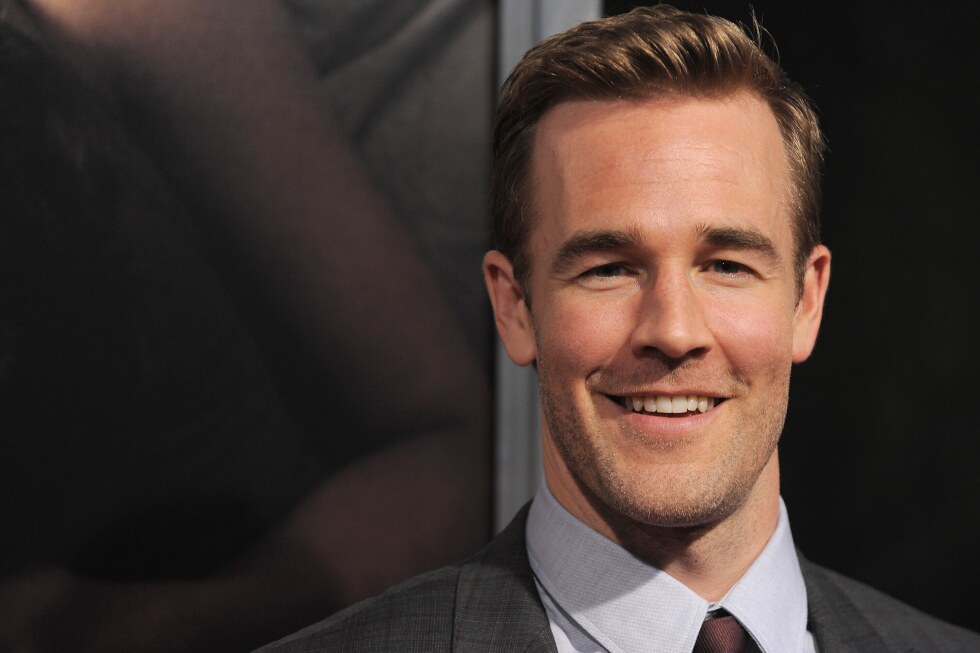
Dawson's Creek Star James Van Der Beek Dies at 48 From Colorectal Cancer: A Call for Awareness
The entertainment world is mourning the untimely passing of James Van Der Beek, the beloved actor best known for his iconic role as Dawson Leery in the hit 90s series "Dawson's Creek." Van Der Beek, just 48 years old, died on Wednesday, February 11th, after a courageous and prolonged battle with colorectal cancer. His death has sent shockwaves through Hollywood and beyond, not only for the loss of a talented performer but also for drawing stark attention to a form of cancer increasingly affecting younger adults.
Known for embodying the angst and idealism of teenage life for a generation, Van Der Beek left an indelible mark on television and film. His family confirmed his peaceful passing, sharing a heartfelt message that spoke of his "courage, faith, and grace" in his final days. The profound sadness of his departure is amplified by the fact that he leaves behind his wife, Kimberly Van Der Beek, and their six young children, highlighting the devastating impact of this disease on families.
This tragic news serves as a somber reminder of the rising incidence of colorectal cancer among individuals under 50, a trend that medical experts are calling "striking and very worrisome." As we remember James Van Der Beek's life and legacy, it's crucial to also understand the disease that claimed him and the vital importance of early detection and awareness.
A Life in the Spotlight: Remembering James Van Der Beek's Journey
James Van Der Beek's career spanned decades, captivating audiences with his versatility and earnest performances. He rose to international fame as the titular character in "Dawson's Creek," a role that cemented his status as a teen idol and launched a generation of heartthrobs. Beyond Capeside, he showcased his range in films like "Varsity Blues," where he traded dramatic intensity for athletic prowess, and in various television roles that followed.
In recent years, Van Der Beek continued to engage audiences with compelling performances, demonstrating his enduring passion for storytelling. He appeared on shows like the CW's "Walker" in 2024 and was set to feature in Amazon Prime Video’s comedy "Overcompensating" in 2025. He even embraced the challenge of reality television, competing as Dean Wilson on Fox's "Legally Blonde" prequel "Elle." Despite his ongoing health battle, he remained active, working and connecting with fans on social media, often sharing glimpses of his life and expressing gratitude for the support he received.
The actor's family shared their profound grief in an emotional Instagram post: "Our beloved James David Van Der Beek passed peacefully this morning. He met his final days with courage, faith, and grace. There is much to share regarding his wishes, love for humanity, and the sacredness of time. Those days will come. For now we ask for peaceful privacy as we grieve our loving husband, father, son, brother, and friend." This touching statement underscores the deep love and respect held for a man who, despite his fame, prioritized his family and lived with an unwavering spirit. His memory will undoubtedly live on through his work and the lives he touched, both on and off screen. For more on his impact, read about James Van Der Beek's Legacy: Remembering the Actor and His Courageous Fight.
The Battle Against Colorectal Cancer: A Courageous Fight
James Van Der Beek's fight against colorectal cancer began in earnest when he was diagnosed with stage 3 of the disease in August 2023. While he initially kept his illness private, he bravely shared his diagnosis with the public in November 2024. This decision, though undoubtedly difficult, provided an opportunity to shed light on a condition that often remains in the shadows until advanced stages.
Throughout his treatment, Van Der Beek exhibited remarkable resilience. He continued to work, a testament to his dedication and a re-ignited passion for his craft. In an interview conducted in the summer of 2025, he reflected on how his diagnosis changed his perspective: "For a minute, I thought, 'You know what? I don't need acting. I don't need it in the way that I did before.' I'm very, very happy just doing this here with my family. And then, when I got cancer, I realized I love to tell stories. Acting is actually a real passion. Writing is a real passion, and I need to feed that." This powerful realization allowed him to approach his work with renewed purpose, finding solace and strength in creation even amidst profound personal challenge. His journey underscores the importance of finding meaning and pursuing passions, even in the face of adversity.
Colorectal Cancer: A Growing Threat, Especially for Younger Adults
The tragic news of **James Vanderbeek dead** from colorectal cancer at 48 highlights a disturbing trend: the increasing incidence and mortality rates of this disease among younger adults. Colorectal cancer, which affects the colon and rectum, is no longer primarily a disease of the elderly. According to a recent study by the American Cancer Society, it is now the deadliest cancer for American adults under the age of 50.
Dr. Timothy Cannon, director of the Inova Schar Cancer Molecular Tumor Board and an associate professor at the University of Virginia School of Medicine, described the rise in young-onset colorectal cancer deaths as "striking and very worrisome." He further noted, "For the past five years, experts have predicted a future where colorectal cancer becomes the most common cause of cancer death in the under 50 population in the U.S., but the projections for that date usually fell in the 2040 to 2050 range. It turns out that this future has already arrived."
This acceleration is deeply concerning and points to a critical need for increased awareness, earlier screening, and improved diagnostic protocols. While the exact reasons for this surge are still being researched, factors such as changes in diet, sedentary lifestyles, obesity, and possibly environmental influences are being considered. What is clear, however, is the urgent need to educate both clinicians and the public about the symptoms of colorectal cancer to facilitate earlier diagnosis and more timely, effective treatment. To learn more about the disease, visit Colorectal Cancer: Understanding the Disease That Claimed James Van Der Beek.
Recognizing the Warning Signs: What You Need to Know
One of the biggest challenges in combating young-onset colorectal cancer is that symptoms are often subtle and can easily be mistaken for less serious conditions like hemorrhoids, irritable bowel syndrome (IBS), or indigestion. This can lead to delayed diagnosis, allowing the cancer to progress to more advanced stages, as it did in James Van Der Beek's case.
It is imperative for everyone, regardless of age, to be aware of the potential warning signs. If you experience any of the following symptoms persistently for more than a few days, it is crucial to consult your doctor:
- Changes in Bowel Habits: This can include persistent diarrhea or constipation, or a change in the consistency or shape of your stool (e.g., narrower stools) that lasts for more than a few days.
- Rectal Bleeding or Blood in Stool: Bright red blood on toilet paper after a bowel movement, or dark blood mixed in with your stool, should never be ignored.
- Persistent Abdominal Discomfort: Ongoing cramps, gas, or pain in your abdomen that doesn't go away.
- A Feeling That Your Bowel Doesn't Empty Completely: Even after passing stool, you might feel like you still need to go.
- Unexplained Weight Loss: Losing weight without trying can be a symptom of various serious health issues, including cancer.
- Fatigue or Weakness: This can be a sign of anemia, which might be caused by blood loss from a colorectal tumor.
Actionable Advice: Do not dismiss these symptoms, especially if they are new, persistent, or worsening. Advocate for your health and insist on thorough investigation if you have concerns.
Prevention and Screening: Taking Proactive Steps
While some risk factors for colorectal cancer are beyond our control (like genetics), many are linked to lifestyle choices. Adopting healthy habits can significantly reduce your risk:
- Maintain a Healthy Diet: Focus on a diet rich in fruits, vegetables, and whole grains. Limit red and processed meats, which have been linked to increased colorectal cancer risk.
- Stay Physically Active: Regular exercise can help reduce your risk. Aim for at least 30 minutes of moderate-intensity activity most days of the week.
- Maintain a Healthy Weight: Obesity is a known risk factor for colorectal cancer.
- Limit Alcohol Consumption and Avoid Smoking: Both alcohol and tobacco use can increase your risk.
Beyond lifestyle, screening is arguably the most powerful tool for prevention and early detection. Screening tests can find precancerous polyps, which can then be removed before they ever turn into cancer. They can also detect cancer at an early stage, when it is most treatable. Current guidelines recommend that individuals with an average risk begin colorectal cancer screening at age 45. However, if you have a family history of the disease, certain genetic syndromes, or experience any of the symptoms mentioned above, your doctor might recommend starting earlier.
Common screening methods include:
- Colonoscopy: Considered the "gold standard," it allows a doctor to visually examine the entire colon and remove any polyps.
- Fecal Immunochemical Test (FIT): A non-invasive test that checks for hidden blood in the stool.
- Stool DNA Test: Detects altered DNA and blood in stool samples.
Discuss your personal risk factors and the most appropriate screening schedule with your healthcare provider.
Conclusion
The passing of James Van Der Beek at just 48 years old is a profound loss, not only for his family and loved ones but for all who admired his talent and spirit. His death from colorectal cancer serves as a stark and urgent call to action. The alarming rise of this disease among younger adults underscores the critical need for heightened awareness, proactive health choices, and most importantly, vigilant screening and early detection.
As we mourn the loss of a beloved actor, let his memory inspire us to take charge of our health. Pay attention to your body, understand the warning signs, and don't hesitate to seek medical advice. By doing so, we can honor James Van Der Beek's legacy and work towards a future where fewer lives are cut short by this preventable and treatable disease.